June 5, 2026
Slip-and-fall accidents are among the most common incidents that occur on commercial properties. A simple trip to a grocery store, restaurant, office building, or retail shop can quickly turn into a serious situation when hazardous conditions are present. Wet floors are particularly concerning because they can create risks that may not always be immediately apparent to visitors.
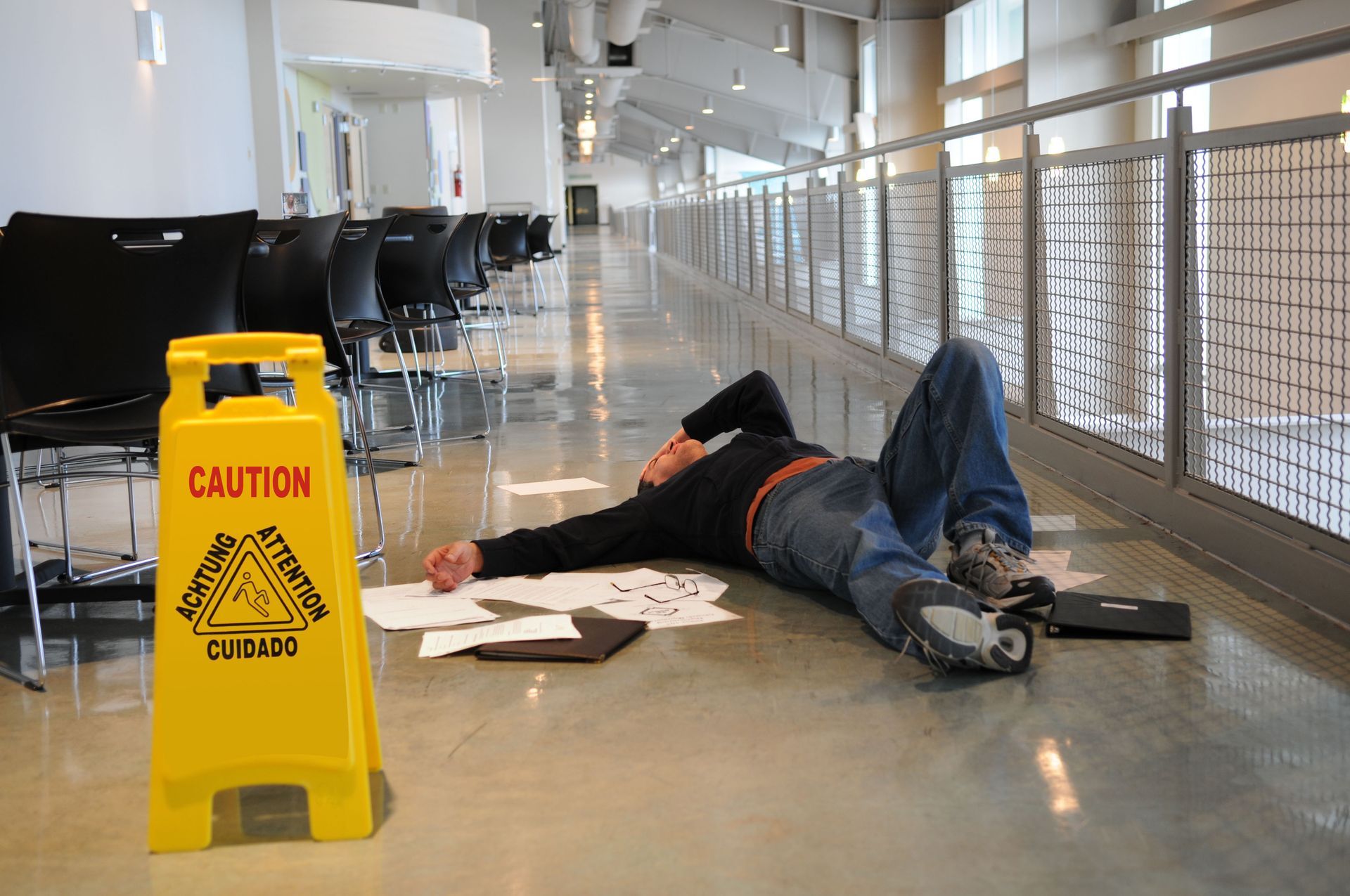
Many people assume that the presence of a wet floor sign automatically protects a business from responsibility if someone falls. While warning signs can be an important part of a property’s safety efforts, they do not always eliminate liability. The legal analysis often extends far beyond whether a sign was present.
Understanding how these factors interact can help explain why slip-and-fall claims are often more complicated than they appear. The role of warning signs is significant, but they are only one piece of a much larger discussion within personal injury law.
Warning Signs Serve as a Safety Tool
Businesses use warning signs to alert visitors about potentially dangerous conditions. These signs are designed to draw attention to hazards and encourage individuals to proceed with caution. In many situations, warning signs are an effective way to reduce the likelihood of accidents and demonstrate that a business is attempting to address a known risk.
A properly placed sign can provide valuable notice that a floor may be slippery. This warning allows customers, employees, and guests to adjust their behavior and avoid unexpected hazards. Signs are especially useful when maintenance crews are cleaning floors or when a spill has just occurred, and immediate cleanup efforts are underway.
Although warning signs contribute to safety, they do not automatically resolve every issue involving personal injury law. A business must generally do more than simply place a sign near a hazard. The overall response to the dangerous condition often plays a critical role in determining whether the property owner acted reasonably.
Property Owners Must Maintain Safe Premises
Businesses have a responsibility to take reasonable steps to maintain safe conditions for visitors. This obligation typically includes monitoring the property, identifying hazards, and addressing dangerous conditions promptly. A warning sign may be part of that effort, but it is rarely the only action expected.
For example, if employees are aware of a spill, they are generally expected to take steps to clean it up or otherwise reduce the danger. Leaving a hazardous condition unattended for an extended period may create concerns even if a warning sign has been placed nearby. The purpose of a warning is to supplement safety efforts rather than replace them entirely.
Courts often examine whether the property owner exercised reasonable care under the circumstances. If evidence suggests that a business ignored a known hazard or failed to respond appropriately, the presence of a warning sign may not be enough to avoid liability. These questions frequently arise in personal injury law cases involving slip-and-fall accidents.
Hazard Visibility Can Influence Liability
The visibility of a dangerous condition is another factor that may affect the outcome of a claim. Businesses sometimes argue that a hazard was obvious and that visitors should have been able to recognize and avoid it. A clearly visible warning sign may strengthen that position.
However, not all hazards are easy to identify. Lighting conditions, crowded walkways, floor colors, and environmental distractions can affect a person’s ability to notice danger. Even when a warning sign is present, visitors may encounter situations where avoiding the hazard is difficult or impractical.
The circumstances surrounding the accident often matter significantly. A sign that appears obvious in one setting may be less effective in another. Courts evaluating personal injury law claims typically consider the entire environment rather than focusing solely on whether a warning sign existed.
Proper Sign Placement Is Essential
Not all warning signs provide the same level of protection. Their effectiveness often depends on where they are located and how visible they are to approaching visitors. A sign that cannot easily be seen may fail to provide meaningful notice of a dangerous condition.
Businesses are generally expected to place warning signs in locations where visitors can reasonably observe them before encountering the hazard. If a sign is blocked by merchandise, hidden behind equipment, or positioned too far away from the affected area, its value as a warning may be diminished.
The wording and appearance of a sign can also matter. Signs that clearly communicate the nature of the hazard are generally more effective than those that are vague or difficult to understand. Questions regarding visibility and placement are common in personal injury law disputes because they can directly influence whether a warning was adequate.
Businesses Often Need More Than Signage
Many businesses implement multiple safety measures to reduce the risk of accidents. Warning signs are often used alongside other precautions that help create a safer environment for visitors. These measures may include routine inspections, employee training, prompt cleanup procedures, and ongoing maintenance practices.
Comprehensive safety efforts demonstrate a proactive approach to hazard management. Businesses that regularly monitor their premises and respond quickly to dangerous conditions are often better positioned to show that they exercised reasonable care.
According to Clio, unintentional injuries are now the third leading cause of death in the United States. This statistic highlights the importance of addressing hazards before accidents occur and reinforces why businesses should view warning signs as part of a broader safety strategy rather than a complete solution.
When evaluating claims involving personal injury law, courts may consider whether the business relied solely on signage or whether it took meaningful steps to prevent injuries from occurring in the first place.
Courts Examine the Totality of the Circumstances
Slip-and-fall cases are rarely decided based on a single fact. Instead, courts often review the entire situation to determine whether a property owner acted reasonably. This analysis may include examining the nature of the hazard, the actions of employees, the adequacy of warnings, and the circumstances surrounding the accident.
Evidence may reveal how long a dangerous condition existed before the incident occurred. It may also show whether employees knew about the hazard or should have discovered it through reasonable inspections. These details can significantly influence how responsibility is assessed.
At the same time, courts may consider the actions of the injured person. Factors such as attention, awareness, and surrounding conditions can become relevant when determining how the incident occurred. This case-by-case evaluation is a central aspect of personal injury law and explains why warning signs alone rarely determine the outcome of a claim.
Legal Questions Often Extend Beyond the Fall Itself
The consequences of a slip-and-fall accident can extend well beyond the moment of impact. Injured individuals may face medical treatment, lost income, physical limitations, and emotional stress. Businesses may also encounter investigations, insurance claims, and potential litigation.
As a result, determining liability often involves a careful review of evidence gathered after the incident. Surveillance footage, maintenance records, witness statements, and inspection logs may all play a role in understanding what occurred and whether appropriate safety measures were in place.
The presence of a warning sign is often part of that analysis, but it is rarely the only consideration. Questions about property maintenance, employee conduct, and hazard management frequently become equally important. These issues regularly arise in personal injury law matters because liability typically depends on the overall circumstances rather than a single safety measure.
Wet floor warning signs are valuable tools that help alert visitors to potential hazards and encourage safer behavior. However, they do not automatically shield a business from liability when a slip-and-fall accident occurs. Property owners generally have broader responsibilities that include maintaining safe premises, addressing hazards promptly, and implementing reasonable safety procedures.
Whether a warning sign provides meaningful legal protection often depends on factors such as its placement, visibility, hazard management, and the actions taken before the accident. Understanding these considerations can provide valuable insight into how responsibility is evaluated under personal injury law when injuries result from dangerous property conditions.
If you have questions about a slip-and-fall accident or concerns about liability following an injury, contact McNally Law today. We can help review your situation, explain your rights, and work with you to pursue the guidance and support you need. Our team is committed to helping our clients navigate complex legal matters while seeking the best possible outcome for their circumstances.